
Murchison Falls
Murchison Falls National Park is Uganda’s largest and oldest conservation area, located in the northwestern part of the country where the River Nile cuts through the dramatic landscapes of the Albertine Rift Valley. Established as a national park in 1952, it covers approximately 3,893 square kilometers and is named after the spectacular Murchison Falls, where the Nile is forced through a narrow 7-meter gorge before plunging 43 meters into the Devil’s Cauldron, creating one of the most powerful waterfalls in the world.
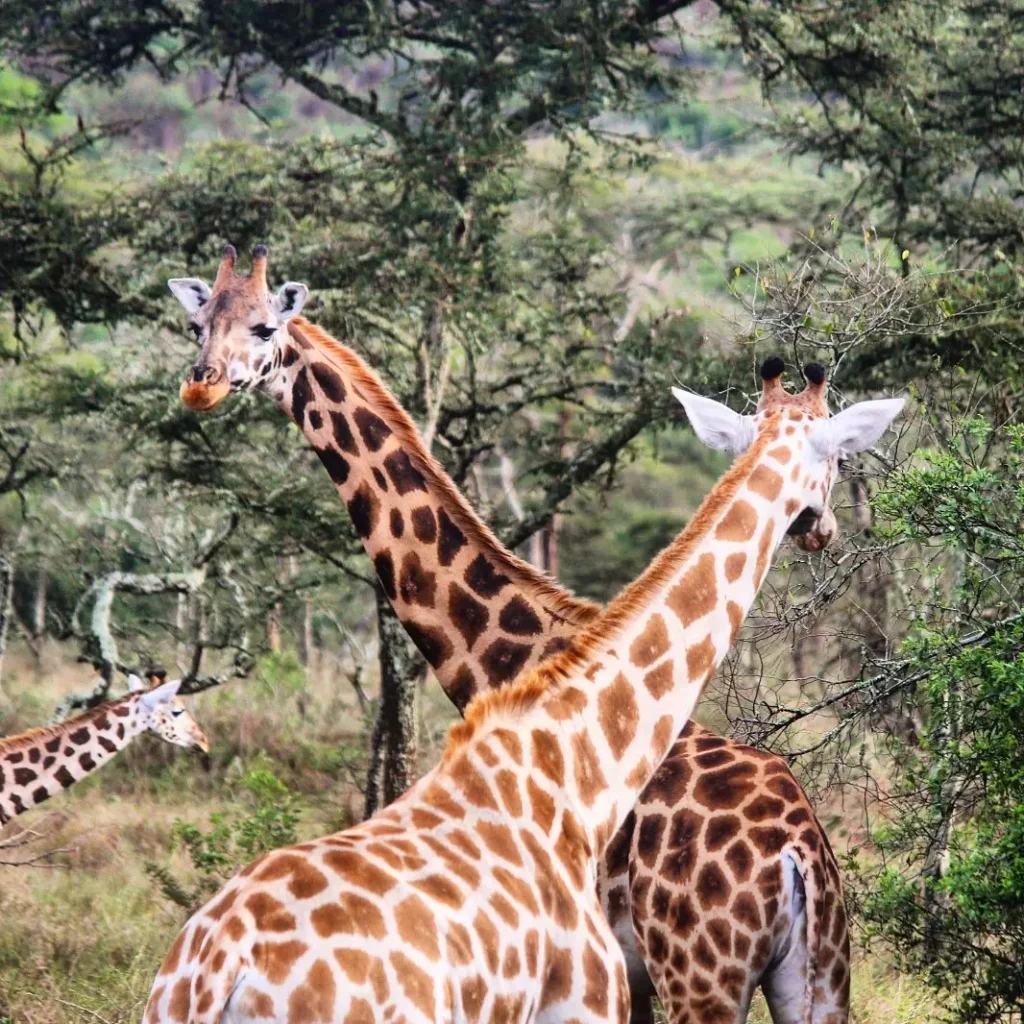
The park is renowned for its diverse ecosystems, which include open savannah, riverine woodland, tropical forest, and wetlands. These habitats support a wide range of wildlife, making Murchison Falls National Park one of Uganda’s premier safari destinations. It is home to elephants, giraffes, buffaloes, lions, leopards, spotted hyenas, and several antelope species such as Uganda kobs and hartebeests. The park also shelters large populations of hippos and Nile crocodiles along the riverbanks.
Murchison Falls National Park is equally famous for its rich birdlife, with over 450 recorded bird species. Notable species include the rare shoebill stork, Goliath heron, African fish eagle, and many migratory birds, making the park a key destination for birdwatching enthusiasts. The Nile delta, where the river flows into Lake Albert, is particularly important for bird conservation.
One of the park’s highlights is the boat cruise along the River Nile, which offers close encounters with wildlife and leads visitors to the base of the falls. Game drives across the northern savannah plains provide excellent wildlife viewing, while guided hikes to the top of the falls offer breathtaking views. Beyond tourism, the park plays a vital role in wildlife conservation and supports nearby communities through sustainable tourism and conservation initiatives, making it a cornerstone of Uganda’s natural heritage.

Leave a Reply