

Queen Elizabeth
Queen Elizabeth National Park is one of Uganda’s most iconic and biologically diverse protected areas, located in the western region of the country along the floor of the Albertine Rift Valley. Established in 1952, the park covers approximately 1,978 square kilometers and lies between Lake Edward and Lake George, with the Kazinga Channel linking the two water bodies. Its strategic location and varied ecosystems make it one of the richest wildlife conservation areas in Africa.
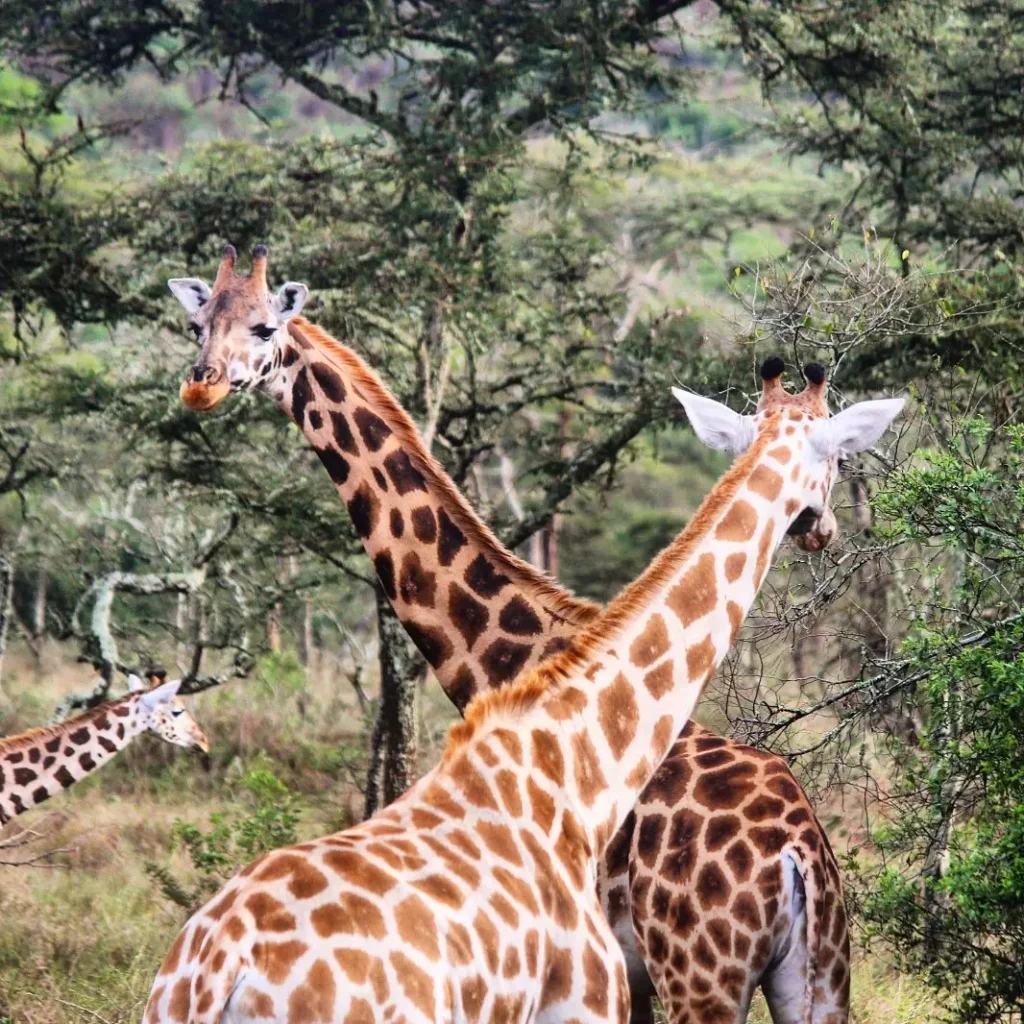
The park is characterized by an impressive range of landscapes, including open savannah grasslands, dense forests, wetlands, crater lakes, and fertile plains. These habitats support an extraordinary diversity of wildlife. Queen Elizabeth National Park is home to more than 95 mammal species, among them African elephants, buffalo, Uganda kobs, warthogs, leopards, spotted hyenas, and lions. The Ishasha sector of the park is particularly famous for its rare tree-climbing lions, a unique behavior that attracts visitors from around the world.
Birdlife in the park is equally remarkable, with over 600 recorded bird species, making it one of Africa’s top birding destinations. Species range from flamingos and pelicans around the crater lakes to African fish eagles, shoebills, and numerous migratory birds. This exceptional avian diversity reflects the park’s healthy ecosystems and its importance within global biodiversity networks.
One of the park’s most popular attractions is the Kazinga Channel boat cruise, which offers close views of hippos, Nile crocodiles, and a wide array of water birds, all set against stunning natural scenery. Game drives through areas such as Kasenyi Plains and Ishasha provide excellent opportunities to observe wildlife in their natural habitat. At the same time, guided nature walks allow visitors to explore the park more intimately.
Beyond tourism, Queen Elizabeth National Park plays a crucial role in conservation, environmental research, and climate resilience. It also supports surrounding communities through sustainable tourism initiatives, employment opportunities, and community-based conservation programs. As both a national treasure and an international conservation site, the park continues to contribute significantly to Uganda’s natural heritage, economy, and global ecological balance.

Leave a Reply